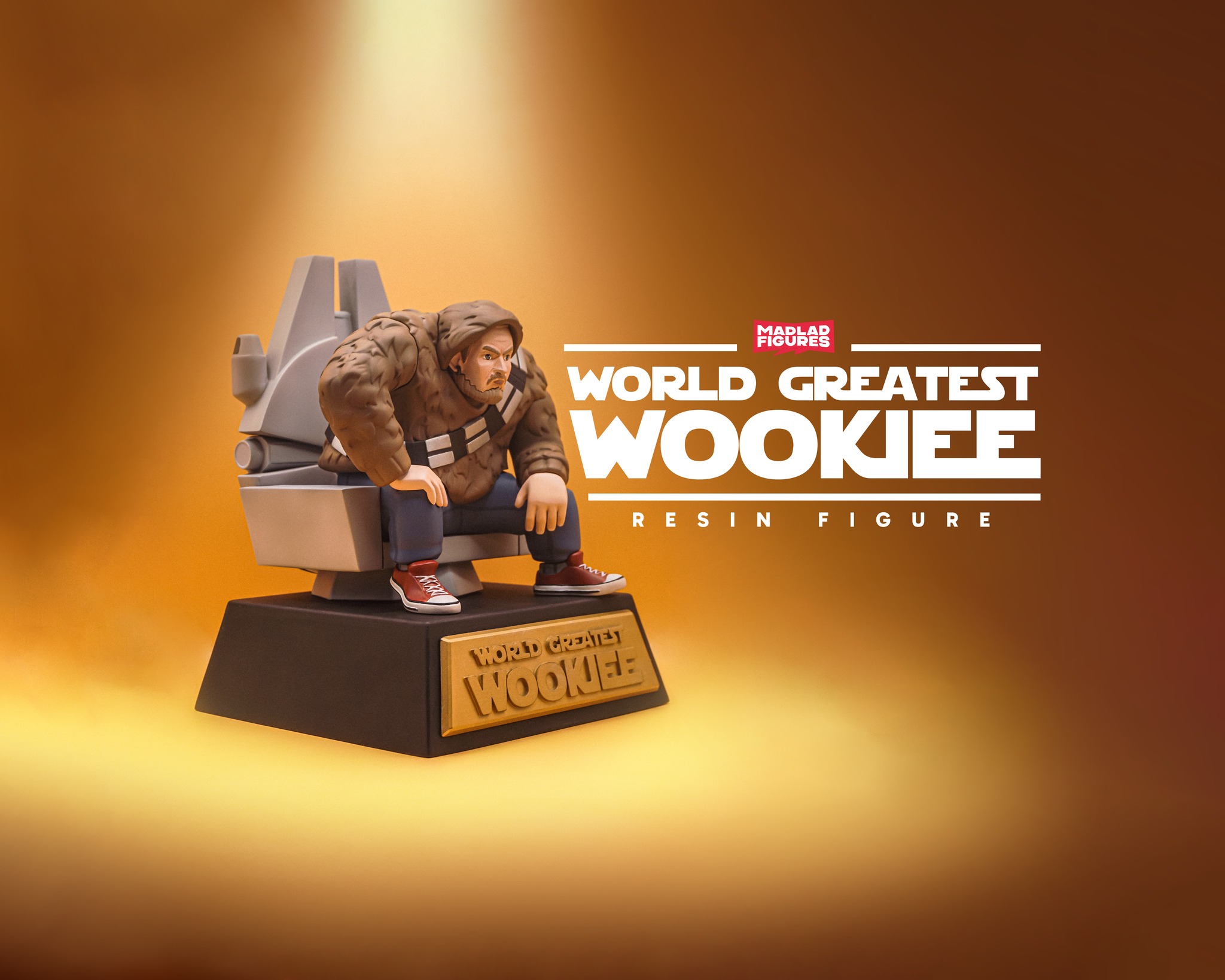
18 Apr 2026
A custom vinyl toy starts with a character, but production starts with decisions. The clearer your design, quantity, material, finish, and deadline are, the easier it is to protect the look of the art while keeping the manufacturing plan realistic.
Start with production-ready references
A manufacturer can work from sketches, style frames, or existing character art, but the best briefs show the front, side, back, expression, color palette, target size, and any accessories. If your art is loose, the first stage becomes design refinement before sculpting.
Move from 2D art to 3D sculpt
The 3D sculpt translates the character into real volume. This is where proportions, pose, balance, part breaks, and undercuts are solved. Review the sculpt carefully because every later step depends on it.
Approve a physical prototype
A 3D printed or cast prototype lets you judge the figure in the hand. You can check the silhouette, size, stability, texture, and whether small details still read at production scale.
Plan molds, paint, and packaging together
Tooling, paint masks, pad printing, assembly, and packaging should be planned as one workflow. A figure with a simple sculpt but complex paint can still become expensive if the color plan is not production-friendly.
Use the first run as a learning loop
For independent artists, a low-MOQ run is often the smartest first step. It proves demand, reveals what collectors respond to, and gives you the data to scale the next colorway or edition.
Quick Checklist
- Prepare turnarounds and references.
- Choose target size and quantity.
- Approve sculpt and prototype before tooling.
- Keep packaging in the budget from the start.
Next Step
If you are planning a custom PVC, vinyl, resin, sofubi, or action figure project, prepare your references, target quantity, desired size, and launch date. Then contact Madlad Figures for a production plan and quote.